Reliable solutions for secure joints in metal, plastics, and composites.
We design and manufacture high-quality rivets for applications that demand strength, precision, and durability.
Strength and reliability
Firm joints that withstand the most demanding conditions.
Dimensional precision
Manufacturing with controlled tolerances for consistent results.
Variety of solutions
Wide range of types, materials, and sizes for every application.
Certified quality
Production processes under international standards.
Explore our complete line of industrial rivets.
Blind rivets
Ideal for quick joints without access to the back side.
bodywork, sheet metal, furniture, HVAC.
Threaded rivets
Allow creating strong threads in sheets or profiles.
panels, equipment, structures.
Structural rivets
High shear and tensile strength for demanding mechanical jobs.
metal structures, transportation, heavy industry.
Sealed rivets
Provide total sealing and protection against liquids and dust.
HVAC, electronics, outdoor maintenance.
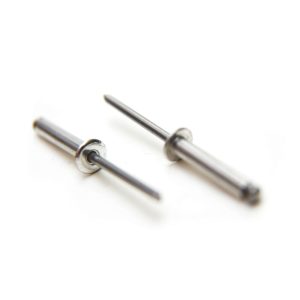
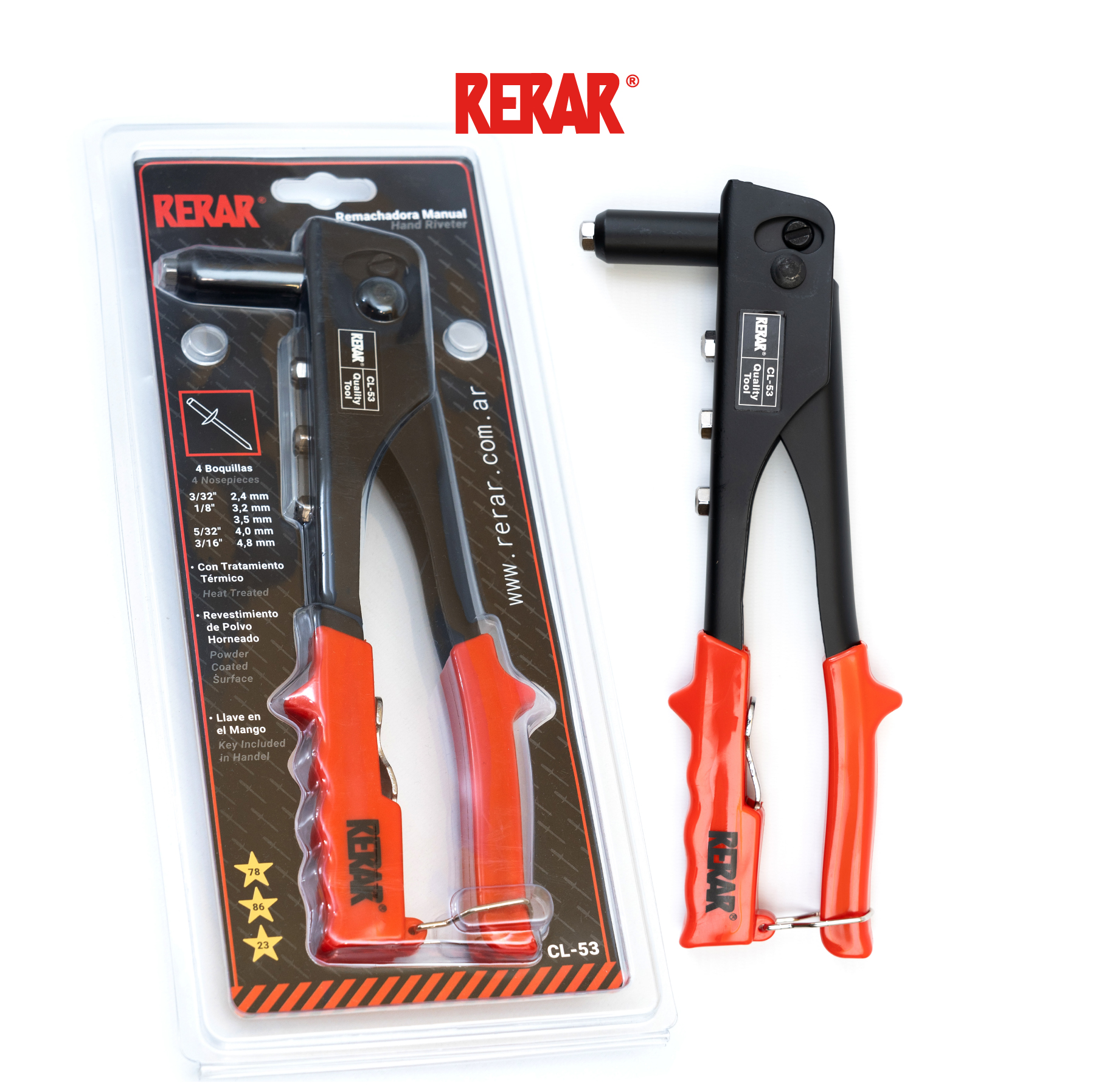
A rivet is a permanent fastener consisting of a cylindrical body (tube) with a head on one end and a central mandrel (nail). It works by being inserted into a pre-drilled hole and using a rivet tool to pull the mandrel, which expands the body of the rivet against the back face of the pieces to be joined until the mandrel breaks in a controlled manner.
Standard blind rivets are used for light or general fastenings where you only have access to one side of the assembly. Structural rivets are designed with a high-strength mandrel retention system and robust materials that give them exceptional shear and tensile strength properties, making them ideal for extreme vibrations or heavy loads.
The fundamental rule is to choose a rivet material that is compatible with the pieces you are going to join to avoid galvanic corrosion. You must also consider the environment: stainless steel is optimal for humid or chemical environments, while galvanized steel provides great resistance at a balanced cost.
You need to know two essential values: the rivet diameter (which must match the hole diameter) and the "grip range" (the sum of the thicknesses of the materials to be joined). The length of the rivet body must exceed this total thickness to ensure optimal closure on the back side.
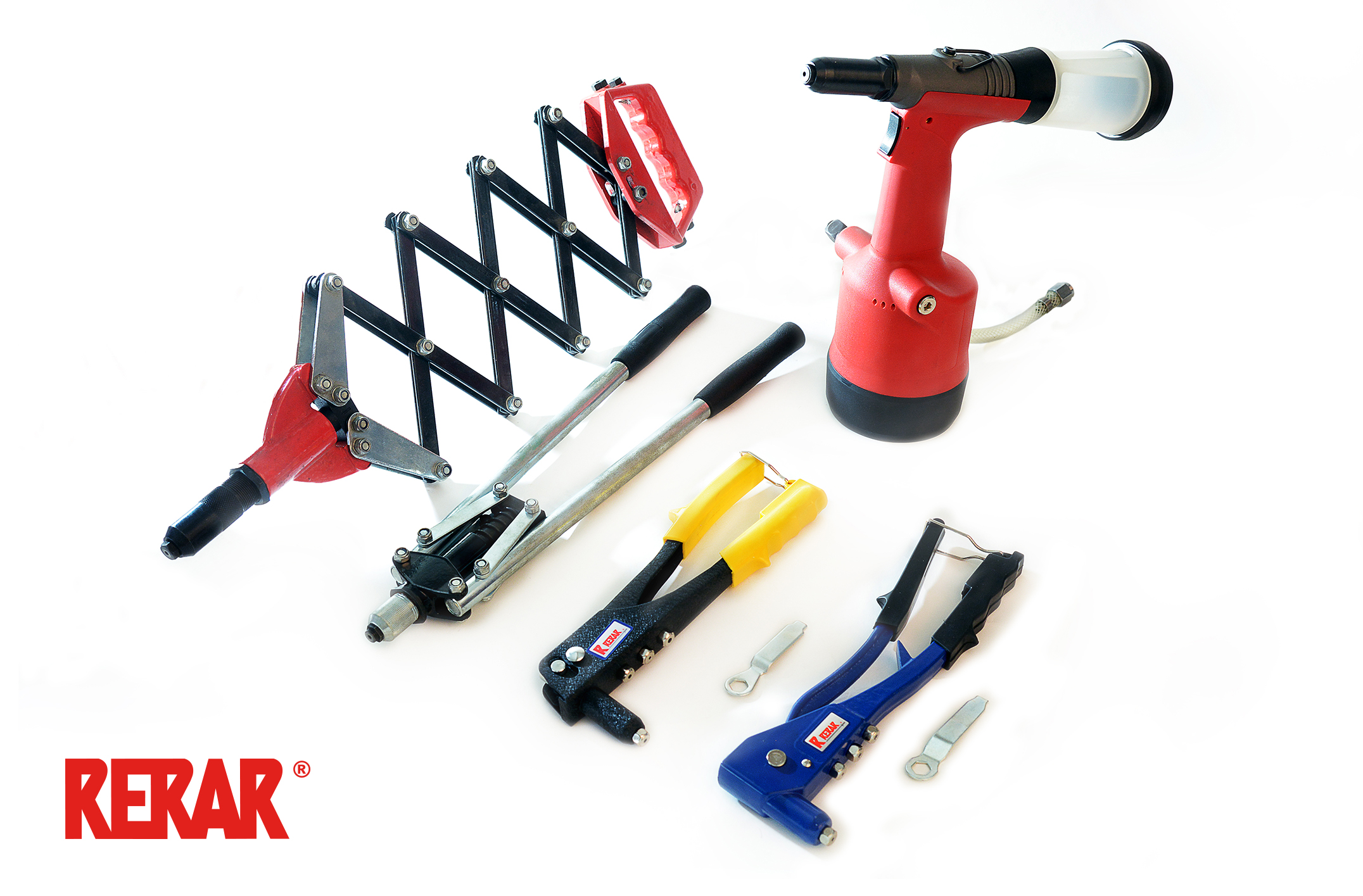
Yes, of course! At RERAR we have a specialized technical team ready to advise you on the optimal selection of the rivet type, sizes, and the most recommended tools for your project. Write to us through our quote button to get in direct contact.
Our team will advise you to find the best solution.